


When deciding on the best type of fencing for dogs, vinyl fencing is often overlooked in favor of wood or metal. However, its unmatched durability and low maintenance make it an excellent option for pet owners. At Ace Fence Company Austin, we offer a variety of fencing solutions that meet the needs of homeowners, including vinyl fencing, which provides a perfect balance of function and style. But if you’re considering alternatives like invisible fences, you might wonder, what is the best invisible fence for dogs? An affordable chain-link fence may also be an ideal solution for those looking for a budget-friendly yet secure option. This article will explore the different vinyl fencing options, their benefits, and how to choose the right fence for your property and pets.
Got energetic dogs? Discover the best types of fencing to keep them safe and secure. https://t.co/SL1KKEEJeE #petsafety #fencetips #fence pic.twitter.com/hlYfWO5Tif
— Ace Fence Company Austin (@AceFenceAustin) May 14, 2024
What is the purpose of fencing for energetic dogs?
Fencing for energetic dogs goes far beyond simple containment. It is vital in fostering a safe and engaging environment for dogs with a natural propensity for exploration and high energy levels. By selecting the appropriate fencing, owners can prevent escapes, shield their pets from external threats, and mitigate undesirable behaviors by mentally stimulating their dogs.
The correct fence height and material can deter jumpers and climbers, while visibility options can help maintain a dog’s interest in its surroundings without making it feel overly confined. Ultimately, the proper fencing solution aligns with a dog’s physical and mental requirements, ensuring its safety while enabling it to flourish within the confines of its home environment.
Next: What to Plant Along a Fence: Top Plants That Thrive Alongside Fences?
Mitigating Undesirable Behaviors
- Wooden Fences: Provide a solid barrier that prevents dogs from seeing outside stimuli that could lead to excessive barking or agitation. A wooden fence can create a calm and focused environment for dogs prone to reactive behaviors.
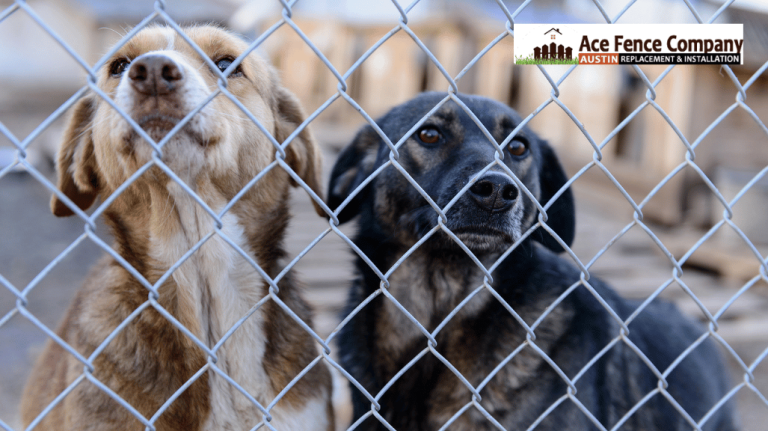
- Chain-link fences: While durable and offering visibility, there may be better choices than those for dogs quickly excited by external movements. However, for dogs that benefit from visual stimulation without getting overstimulated, chain-link fences can keep them engaged and entertained.
Influencing Mental Stimulation and Stress Levels
- Vinyl Fencing offers the best of both worlds, with options for solid panels and designs that include lattice work or spaces that allow limited visibility. This can help manage a dog’s curiosity and mental stimulation without the risk of overstimulation.
- Aluminum Fencing: With its elegant design, aluminum fencing can provide sight lines to the outside world, which benefits dogs that are calm observers. However, for those who may attempt to escape or get overly excited, incorporating landscaping or strategic placement of outdoor decor can help mitigate these issues while still allowing for some visibility.
Real-World Examples
- A dog trainer recommended a solid vinyl fence for a client’s high-energy Border Collie, who used to bark incessantly at pedestrians. The reduced visibility led to a significant decrease in barking and a more peaceful backyard environment.
- Another case involved a chain link fence for a laid-back Golden Retriever who enjoyed watching the world go by. The visibility provided mental stimulation without causing stress, contributing to the dog’s well-being.
Considering these factors and examples, it becomes clear that fencing can profoundly impact a dog’s behavior and mental health. Selecting the correct type of fence is not just about physical containment but also about enhancing the quality of life for our canine companions.
Consider the size and agility of your dog.
When selecting the ideal fencing for your energetic canine, it’s crucial to consider your pet’s size and agility. Giant breeds such as Great Danes and German Shepherds necessitate sturdy and taller fences to prevent them from leaping over. Conversely, smaller breeds like Terriers and Beagles might require fences designed to thwart digging and provide no footholds for climbing.
For high jumpers like Border Collies and Whippets, the fence height is even more critical, often necessitating a minimum of 6 feet to ensure their containment. Expert climbers, including Huskies and Fox Terriers, present a unique challenge, potentially requiring additional deterrents like angled fence toppers. Tailoring the fencing solution to your dog’s specific physical capabilities is essential for their safety and for preventing potential escapes.
Assessing Your Dog’s Capabilities
To accurately gauge your dog’s jumping or climbing abilities, consider the following steps:
- Observation: Spend time observing your dog during play, particularly when they are excited or chasing after toys. Note the highest height they can reach comfortably without straining.
- Encouragement: Use toys or treats to encourage your dog to jump or climb in a safe, controlled environment. This can give you a better idea of their maximum capabilities.
- Consultation: For a more precise assessment, consult a professional dog trainer. They can offer insights into your dog’s physical abilities and suggest specific exercises to test its agility.
- Interest in Climbing: Notice if your dog is interested in climbing objects or furniture around the house. This could indicate a propensity for trying to climb over fences.
Tailoring Fencing Solutions
Based on your observations and assessments, you can make more informed decisions about the type of fencing that best suits your dog’s needs:
- For Jumpers: Opt for taller fences if your dog can comfortably jump high. Consider fences at least 6 feet tall, or even taller, for breeds known for their jumping abilities.
- For Climbers: If your dog is interested in climbing, choose fencing materials without footholds and consider installing angled fence toppers or roller bars to deter climbing.
Large breeds: Great Danes, German Shepherds
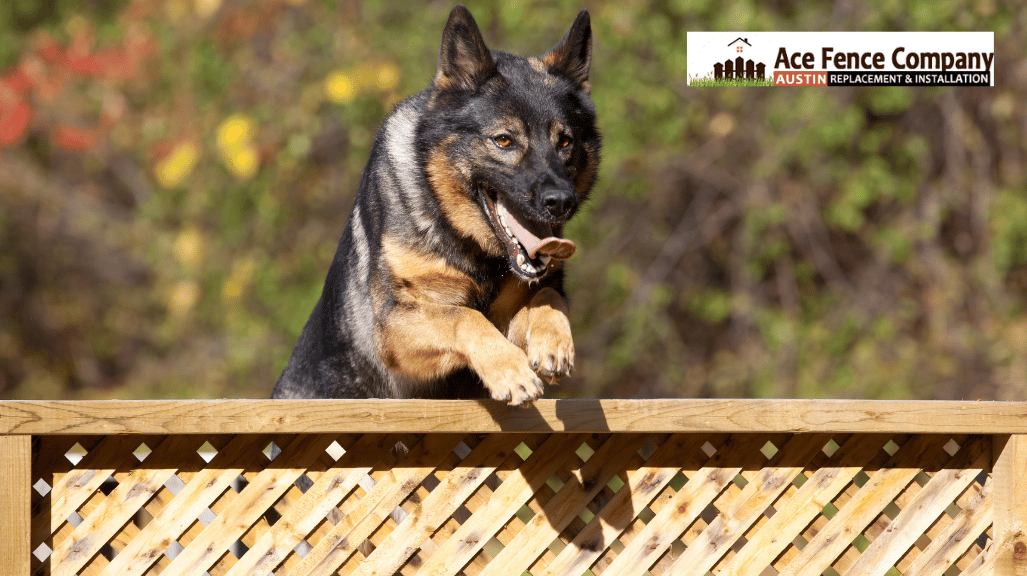
Opt for tall, sturdy fences for large breeds like Great Danes and German Shepherds. These dogs can quickly jump over short barriers, so a height of at least 6 feet is recommended to keep them safely enclosed.
Small breeds: Terriers, Beagles
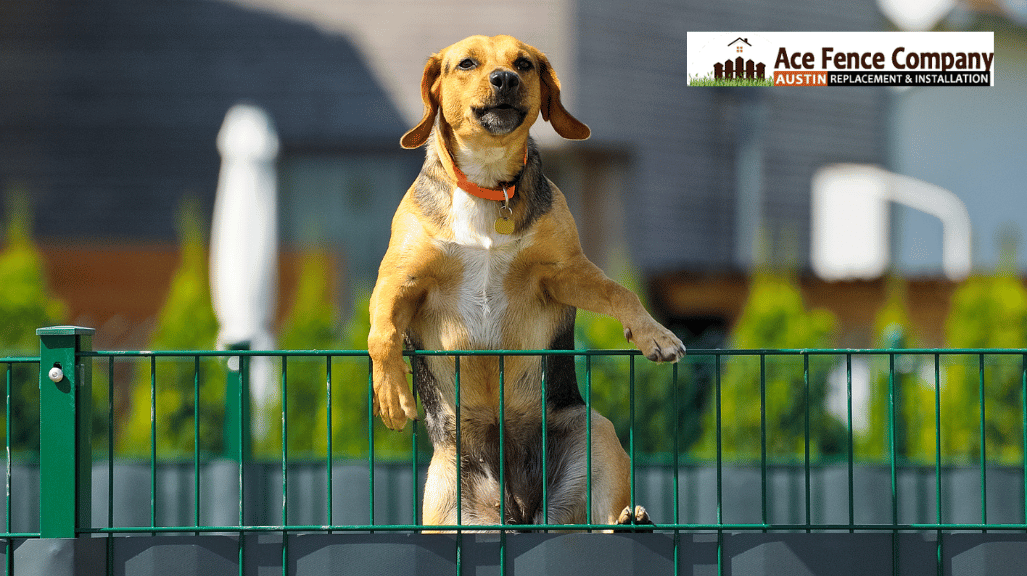
Small breeds such as Terriers and Beagles require secure, dig-proof fencing. Their size might not challenge the height of the fence, but their ability to squeeze through small gaps or dig under barriers necessitates close attention to the fence’s base and the space between fence posts.
High jumpers: Border Collies, Whippets
For high jumpers like Border Collies and Whippets, height is critical. A minimum fence height of 6 feet is advisable, with some cases requiring up to 8 feet to prevent these agile dogs from leaping over and escaping.
Expert climbers: Huskies, Fox Terriers
Expert climbers, including Huskies and Fox Terriers, demand fences with no footholds and possibly additional deterrents like angled fence toppers or roller bars. These adaptations discourage climbing and help keep these adept escape artists within the bounds of their yards. By assessing your dog’s jumping and climbing capabilities, you can choose a fencing solution that ensures their safety while accommodating their natural behaviors and instincts.
Evaluate different fencing materials.
Selecting the appropriate material for your dog’s fence is crucial for your pet’s safety and the durability of the barrier. Wood, Chain Link, Vinyl, and Aluminum fences offer distinct advantages, from privacy and traditional aesthetics to durability, visibility, low maintenance, and elegant design. Below is a detailed comparison of these materials, considering factors such as longevity under various weather conditions and specific design options, especially for vinyl fencing.
Material | Durability | Maintenance | Privacy Level | Aesthetic Appeal | Weather Resistance | Cost Estimate | Design Options |
Wood | High with proper treatment | High (requires regular staining/sealing) | High (solid, offers complete privacy) | High (traditional, customizable) | Moderate (susceptible to rot and pests without treatment) | Moderate to High | Wide range (can be painted or stained in any color) |
Chain Link | Very High | Low (rust-resistant coatings) | Low (see-through) | Low (more functional than decorative) | High (galvanized or coated for rust resistance) | Low to Moderate | Limited (mainly in the form of different coatings) |
Vinyl | High (does not rot or rust) | Very Low (washable, no painting required) | High (solid panels available) | High (variety of colors and textures) | Very High (UV-resistant, does not fade) | Moderate to High | High (comes in various colors, textures, and styles) |
Aluminum | High (does not rust) | Low (powder coating is long-lasting) | Low to Moderate (designs may offer some privacy) | High (sleek, modern appearance) | High (weatherproof, does not corrode) | Moderate | Moderate (various styles and colors available) |
Carefully matching the suitable material to your and your dog’s needs can lead to a secure and aesthetically pleasing enclosure. For instance, Vinyl fencing stands out for its low maintenance and customizable designs, offering a perfect solution for those seeking a balance between functionality and style. Thanks to its excellent weather resistance, it’s particularly suited for areas with harsh weather conditions.
On the other hand, wood offers unparalleled privacy and aesthetic appeal but requires more maintenance to maintain its condition and appearance. When considering longevity, Chain Link and Aluminum are highly durable and offer great solutions for pet owners looking for long-term, weather-resistant fencing options with minimal upkeep. However, they might provide privacy or aesthetic customization different from Level Wood or Vinyl.
Selecting the suitable fencing material involves weighing these factors against your specific needs, preferences, and the local climate to ensure the best fit for your property and your energetic dog.
Determine the height of the fence.
When determining the height of your dog’s fence, it’s crucial to consider their breed and behavior. This thoughtful consideration is critical to ensuring their safety and preventing escapes. A minimum height of 6 feet is recommended for dogs prone to jumping. However, for breeds with exceptional climbing abilities or those known to jump higher, extending the fence to 8 feet can provide additional security, demonstrating your responsible and caring approach to your dog’s safety.
This adjustment is essential to account for the agility and determination of different dog breeds, ensuring that the fence serves its primary function of keeping your energetic dog safe and sound within the boundaries of your property. Below is a detailed table that includes average jump heights for specific breeds, based on anecdotal evidence from dog trainers and veterinarians, to guide your decision on fence height:
Dog Breed | Average Jump Height | Recommended Fence Height | Notes from Trainers/Veterinarians |
Great Danes | Up to 6 feet | At least 6 feet | Despite their size, Great Danes can leap high; some trainers recommend extending to 7 feet for particularly agile dogs. |
German Shepherds | Up to 6 feet | At least 6 feet | Known for their agility, a minimum of 6 feet is advised, with higher preferences for active individuals. |
Terriers | Up to 4 feet | 5-6 feet | While smaller, Terriers are tenacious. A solid base is recommended to prevent digging escapes. |
Beagles | Up to 4 feet | 5-6 feet | Beagles are curious and may attempt to pursue scents; secure fencing is crucial. |
Border Collies | Up to 6 feet | 6-8 feet | Highly intelligent and agile, Border Collies may require taller fences to prevent escape attempts. |
Whippets | Up to 6 feet | 6-8 feet | Their speed and agility can lead to high jumps; taller fences are safer. |
Huskies | Up to 6 feet | 6-8 feet, with deterrents | Known escape artists, Huskies may need angled fence toppers to prevent climbing. |
Fox Terriers | Up to 5 feet | 6 feet, with deterrents | Agile climbers should consider additional deterrents like roller bars or angled toppers. |
Minimum 6 feet for jumpers
For dogs with a knack for jumping, a fence height of at least 6 feet is crucial to prevent them from leaping over and escaping. This height is a general safeguard for most breeds, ensuring they remain secure within the yard.
8 feet for exceptional climbers
For breeds distinguished by their exceptional climbing skills or those capable of jumping extraordinarily high, elevating the fence to 8 feet is recommended. This heightened barrier offers an additional layer of security, significantly reducing the chances of these skilled escape artists from finding their way out. This detailed table and recommendations clarify how different breeds may interact with fencing and what considerations should be considered to ensure their safety.
Always consider your dog’s unique characteristics and abilities when planning your fencing.
Assess the visibility through the fence.
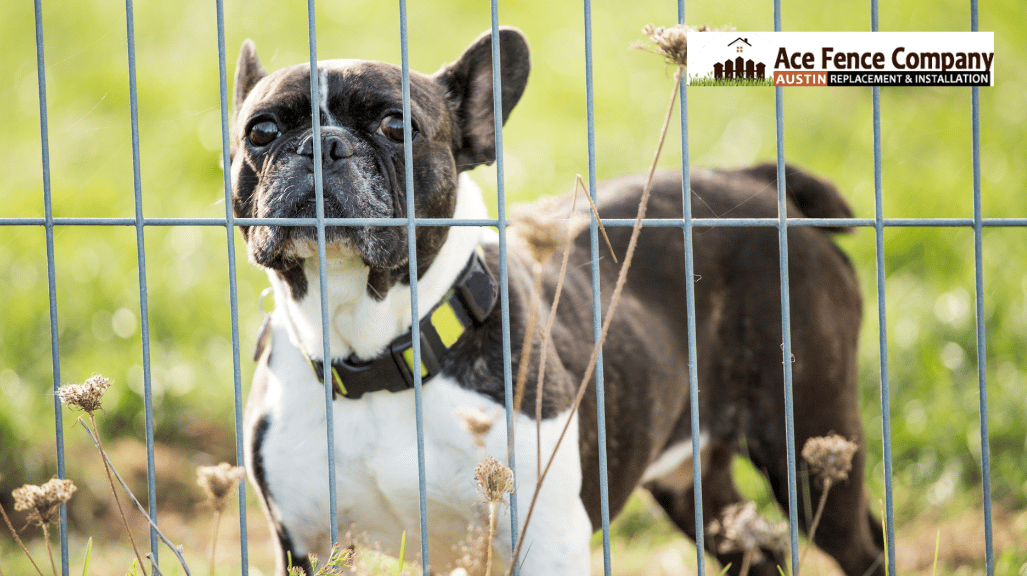
Evaluating visibility through your dog’s fence is a critical factor influencing their mental stimulation and safety. Solid fences, such as those constructed from wood or woodWoodovide privacy. Still, it may restrict your dog’s view, potentially leading to boredom or anxiety. Conversely, see-through options like chain links or aluminum fences allow pets to watch their surroundings, offering entertainment and possibly reducing stress.
However, this enhanced visibility might also prompt barking or reactive behavior towards people or animals outside the fence. Finding the right balance between your dog’s need for visual stimulation and the risk of overstimulation is essential in selecting the fencing material that best supports their well-being while keeping them safely within your yard.
Behavioral Impacts of Fence Visibility
- Increased Barking at Passersby: Dogs with a clear view of the street or sidewalk through a chain link or aluminum fence may exhibit increased barking or excitement in response to pedestrians, other animals, or moving vehicles. This behavior can be particularly pronounced in breeds with solid territorial instincts or high prey drives.
- Reduced Anxiety with Outside Observation: For some dogs, observing the outside world can lead to reduced anxiety and boredom. A see-through fence provides visual access to the environment beyond the yard, which can be mentally stimulating and comforting for calm observers, reducing stress and promoting a sense of security.
Examples from Real-Life Observations
- A dog owner reported that their previously anxious Golden Retriever became more relaxed and less prone to digging and escape attempts after replacing a solid wood fence with a chain link fence. The dog enjoyed watching the neighborhood’s daily activities, which satisfied its curiosity and reduced its stress levels.
- Conversely, after installing a see-through aluminum fence, a Labrador Retriever known for its protective nature began to exhibit increased barking and agitation towards passersby. The owner decided to add privacy slats to certain fence sections to block the dog’s line of sight in high-traffic areas, significantly reducing the unwanted behavior.
Solid fences: Wood, Vinyl
Solid fences, constructed from wood or wood, provide significant privacy and can create a more secluded environment for your dog. These options are particularly suited for pets that might become overstimulated by external sights or owners seeking aesthetic appeal and functionality in their fencing choice.
See-through options: Chain link, Aluminum
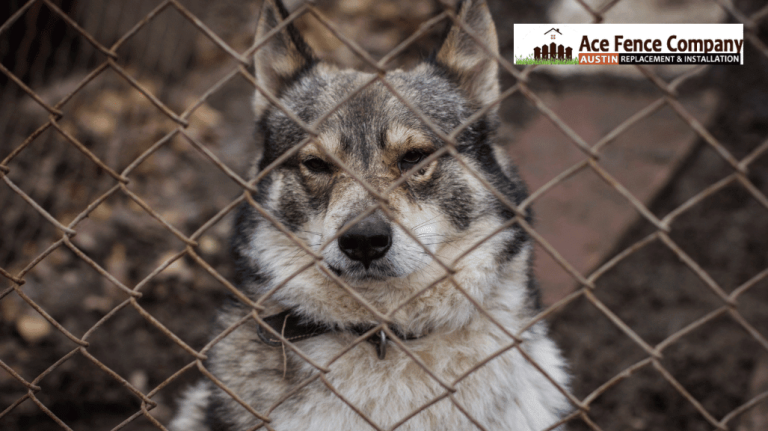
See-through fences, utilizing chain link or Aluminum, ensure visibility and allow dogs to monitor their surroundings. This feature can help maintain mental stimulation and reduce boredom. Ideal for dogs that are calm observers of their environment, these materials offer a perfect compromise for owners prioritizing both security and the ability for their pets to view the outside world.
By considering the potential behavioral impacts of fence visibility, owners can make informed decisions that cater to their dog’s unique temperament and needs, ensuring a harmonious and happy environment for their furry friend.
Think about the installation and maintenance.
Installing and maintaining your dog’s fence is crucial for ensuring its long-term functionality and cost-effectiveness. Professional installation may have a higher initial cost but ensures a quick and secure setup, often accompanied by warranties for added peace of mind. Conversely, DIY installation can significantly lower expenses but demands a solid skill set and a thorough understanding of fencing systems.
Maintenance-wise, materials like woWoodequire reWoodr upkeep, such as staining or sealing, to prevent decay, while vinyl presents a low-maintenance option, needing only occasional cleaning. Evaluating the upfront installation and ongoing maintenance needs is critical in selecting a fencing solution that matches your budget, availability, and willingness to engage in upkeep activities. Below is a detailed table providing rough estimates of the time commitment for DIY installations and the average cost range for professional installations across different materials:
Material | DIY Installation Time | Professional Installation Cost | Maintenance Requirements | DIY Difficulty Level |
Wood | 10-20 hours | $2,500 – $4,000 for 100 linear feet | High (annual staining/sealing) | Moderate to High |
Chain Link | 8-15 hours | $1,500 – $2,500 for 100 linear feet | Low (occasional cleaning) | Low to Moderate |
Vinyl | 6-12 hours | $2,000 – $3,500 for 100 linear feet | Very Low (washing as needed) | Low to Moderate |
Aluminum | 8-16 hours | $2,000 – $3,000 for 100 linear feet | Low (minimal maintenance) | Moderate |
Professional installation: Higher cost, quick setup
Professional installation involves a higher cost but guarantees a quick and reliable setup. This option is perfect for those seeking a stress-free installation process, with the assurance of expert workmanship and often a warranty for added security. The cost can vary significantly based on the material chosen and the complexity of the installation.
DIY: Lower cost, requires skill
DIY installation presents a more affordable alternative but demands good skill and a comprehensive understanding of fencing systems. It’s an ideal choice for hands-on individuals ready to dedicate time and effort to erect their dog’s fence. The time commitment can vary based on the material and the project size, with woWoodequiring more time and skill than chain link and vinyl.
Maintenance: Wood needs staining. Vinyl is washable
Regarding maintenance, wood fencing necessitates regular staining or sealing to combat decay and uphold its aesthetic. Conversely, vinyl fencing offers hassle-free upkeep, requiring only simple cleaning to maintain its condition, making it a convenient option for those with limited time for maintenance tasks. This detailed table and accompanying explanations clarify the installation and maintenance considerations for different fencing materials, helping you make an informed decision that aligns with your budget, available time, and skill level.
Check local regulations and neighborhood rules.
Before installing a fence for your energetic dog, it’s crucial to check local fence regulations and neighborhood rules. These guidelines can significantly impact your fencing choices by imposing restrictions on height, material, and sometimes the fence style you can install. Local ordinances typically set a maximum fence height, usually between 6-8 feet, to maintain safety and aesthetic consistency within the community.
Moreover, certain areas may prohibit specific materials, like chain links, due to aesthetic preferences or historic preservation concerns. Familiarizing yourself with these regulations early in the planning stage can prevent future issues, ensuring your fencing solution meets your dog’s needs and aligns with local compliance requirements.
Height restrictions: Usually 6-8 feet
Local regulations generally impose height restrictions of 6-8 feet. This guideline balances pet security and privacy with the desire for aesthetic uniformity and safety across the community.
Material restrictions: Some areas ban chain link
Material restrictions can vary by location, with some areas specifically banning chain-link fences. These bans are typically enacted to uphold the neighborhood’s visual appeal or comply with historic preservation and community standards.
Real-World Examples and Anecdotes
- The Case of the Too-Tall Fence: A homeowner installed a beautiful 9-foot wooden fence in one suburban neighborhood to give their energetic Siberian Husky extra security. However, the local zoning laws capped fence heights at 6 feet. The homeowner was required to modify the fence to comply, a costly and time-consuming process that could have been avoided with prior research.
- Material Misstep: Another dog owner chose a sleek chain link fence for its durability and visibility, only to learn their historic district prohibited this material to preserve the area’s aesthetic. They had to replace it with a more expensive wrought iron fence that met the district’s guidelines.
- Style Over Substance: A family installed a decorative aluminum fence, only to realize it was not secure enough to contain their agile Border Collie, who could quickly jump over the barrier. They had to add an interior mesh to increase the height and prevent escapes, aligning with local regulations that favored such modifications for pet safety.
Factor in the cost
When selecting fencing for your energetic dog, factoring in the cost is crucial for a practical and financially sustainable choice. The initial installation cost can vary greatly, influenced by the material chosen and the size of the area needing fencing. Materials like wood are more upfront but provide added aesthetic value and privacy. In contrast, chain links and Aluminum are typically more budget-friendly and durable.
Beyond the purchase price, long-term maintenance costs also play a significant role—for example, woWoodequires onWoodg treatment to prevent decay, which could increase maintenance expenses over time. Conversely, vinyl fencing represents a low-maintenance option, requiring only occasional cleaning.
Considering initial and ongoing costs will help ensure that your fencing choice satisfies your dog’s needs and fits your financial plan.
Initial installation: Varies by material and size
The initial installation cost of your dog’s fence largely depends on the material selected and the size of the area you’re fencing. Premium materials like wood and vinyl demand a higher upfront investment, whereas more cost-effective options such as chain link or Aluminum can help lower initial expenses.
Long-term maintenance: Wood is high, vinyl is low
There’s a clear distinction between materials regarding long-term maintenance costs. Wood fencing requires consistent upkeep, including treatments to prevent decay, leading to higher maintenance expenses. In contrast, vinyl fencing stands out as a low-maintenance choice, necessitating minimal care and, thus, incurring lower long-term costs.
Frequently Asked
What factors should be considered when selecting fencing for energetic dogs?
When choosing fencing for energetic dogs, consider height to prevent jumping over, durability to withstand impact, visibility to reduce distractions, and ease of installation and maintenance for long-term use.
How high should a fence be to contain energetic dogs safely?
A fence should be 6 feet tall to contain energetic dogs safely. This height discourages attempts to jump over and provides secure containment for most breeds.
What materials are most durable for fencing meant for energetic dogs?
Metal (such as chain link or wrought iron) and vinyl are energetic dogs’ most durable fencing materials. Both materials offer high resistance to chewing, clawing, and impact.
Is invisible fencing a good option for energetic dogs?
Invisible fencing can be a good option for energetic dogs if combined with proper training. However, physical barriers are more effective at preventing escape for dogs that are highly motivated to chase stimuli beyond the boundary.
How can the visibility of a fence impact an energetic dog's behavior?
Fences with lower visibility can help reduce barking and agitation by blocking the view of external stimuli. Solid panels or privacy fences effectively minimize distractions that excite an energetic dog.