

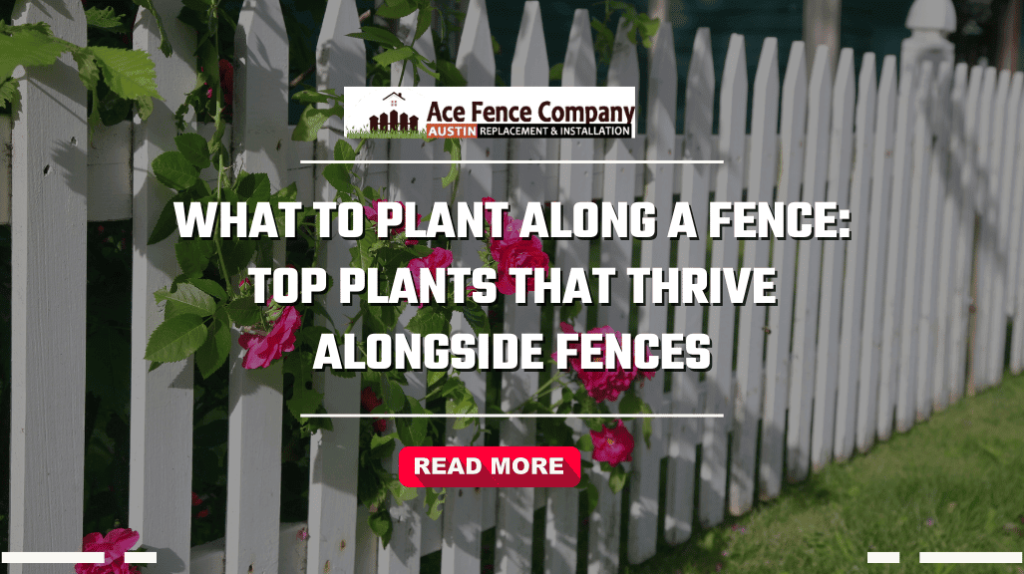
Climbing plants can transform a garden by adding height, privacy, and a lush backdrop. When paired with a robust wood fence, they create a stunning visual effect that enhances the beauty and functionality of your outdoor space. If you’re wondering what to plant along a fence, consider key varieties like Clematis, Ivy, and Jasmine, which offer unique blooms and foliage.
To maintain a polished look, keeping the area neat is essential. Check out Tips on How to Trim Grass Along Fence for practical advice on maintaining a clean, vibrant garden. For professional help, Ace Fence Company Austin is a trusted partner that ensures your fence complements your landscape perfectly.
Wondering what to plant along your fence? Here are the top plants that thrive alongside fences. https://t.co/rZt1Na3bgL #gardentips #fencelandscaping #fence pic.twitter.com/DHIMRWmTdo
— Ace Fence Company Austin (@AceFenceAustin) May 14, 2024
What are the best plants to grow along a fence?
When considering what to plant along a fence, exploring various options that cater to different gardening goals is essential. Climbing plants are perfect for adding height and creating a natural privacy screen, with Clematis, Ivy, and Jasmine being top choices for their vibrant blooms and lush foliage. For adding structure and interest throughout the year, shrubs like Forsythia, Hydrangea, and Boxwood offer everything from early spring flowers to evergreen leaves.
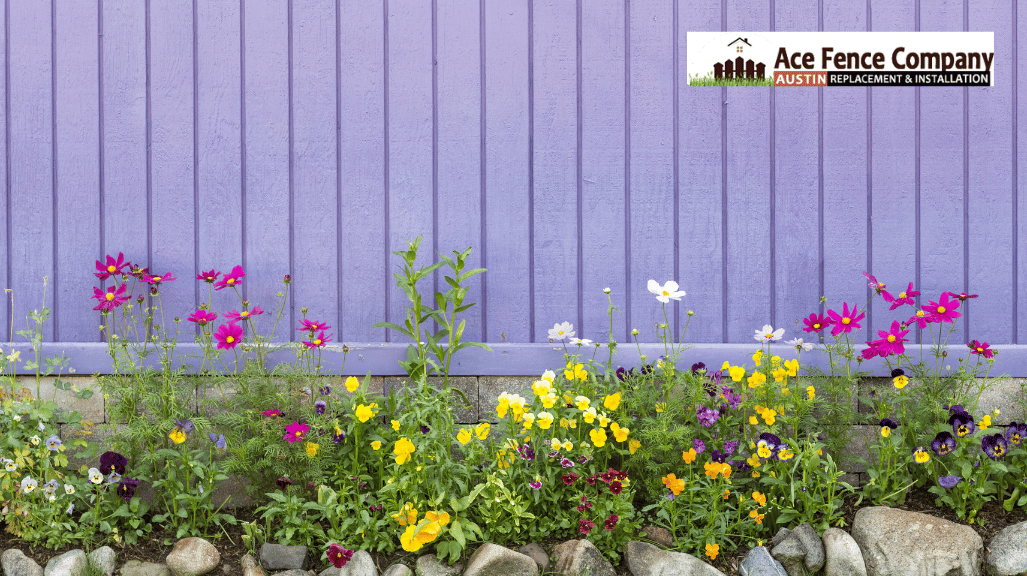
Perennials like Lavender, Catmint, and Peonies bring color, texture, and a succession of blooms to the fence line, complementing the climbers and shrubs with their varied flowering times and aesthetic appeal. Together, these plants form a comprehensive palette for gardeners looking to enhance their fence lines with beauty, privacy, and interest throughout the seasons.
Climbing plants for height and privacy
Climbing plants like Clematis, Ivy, and Jasmine are excellent for adding vertical dimension and enhancing privacy. They grow upwards, covering fences with lush foliage and vibrant flowers. These climbers can transform a plain fence into a living wall, offering beauty and seclusion.
Shrubs for structure and foliage
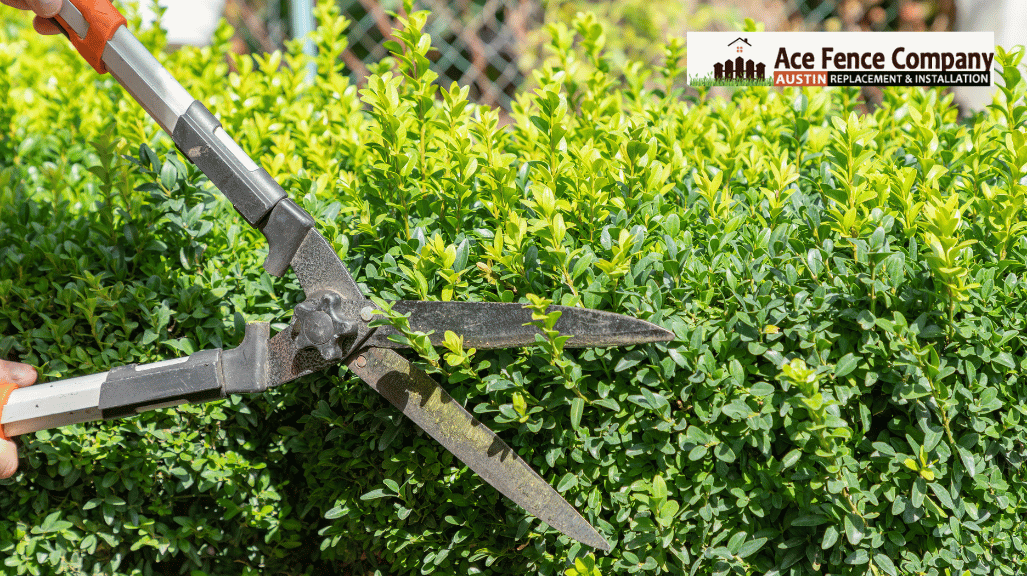
Shrubs such as Forsythia, Hydrangea, and Boxwood provide strong structure and diverse foliage to the garden bordering fences. Forsythia bursts with yellow blooms in early spring, while Hydrangea offers large, colorful flowers in summer. Boxwood adds an evergreen structure, making it a versatile backdrop year-round.
Perennials for color and texture
Perennials like Lavender, Catmint, and Peonies introduce various colors and textures along fence lines. Lavender offers drought tolerance and a soothing scent, Catmint blooms for an extended period, and Peonies present large, showy flowers. These perennials ensure a lively and textured display throughout various seasons.
Why choose climbing plants for fences?
Choosing climbing plants for fences is an intelligent move for gardeners looking to maximize their garden’s vertical space and create a natural screen. These plants enhance the aesthetic appeal of a fence and add an element of privacy and greenery throughout the year. Climbers like Clematis, Ivy, and Jasmine are favored for producing colorful blooms, maintaining year-round greenery, and emitting fragrant flowers.
By opting for climbing plants, gardeners can transform a simple fence into a living, breathing part of the garden landscape, enriching the environment and providing a lush backdrop to their outdoor space.
They maximize vertical space.
Climbing plants are the perfect solution for gardeners aiming to maximize vertical space. By ascending upwards, climbers such as Clematis, Ivy, and Jasmine transform any fence into a vibrant, living structure. This growth strategy is precious in smaller gardens, where maximizing ground space is crucial.
They can create a natural screen.
Opting for climbing plants along fences provides the significant benefit of creating a natural, green screen. This lush barrier enhances privacy and contributes beauty to the outdoor space. The dense foliage and seasonal flowers of climbers offer a visually appealing and effective barrier, making them a top choice for those looking to blend functionality with aesthetic appeal.
What are the top climbing plants for fences?
Among the many climbing plants suitable for adorning fences, Clematis, Ivy, and Jasmine are the top choices for gardeners. Clematis is celebrated for its spectacular blooms in various colors, making it a vibrant addition to any fence. Ivy, known for its lush, evergreen foliage, offers a year-round green backdrop, perfect for creating a sense of privacy and continuity.
On the other hand, Jasmine is prized for its sweetly fragrant flowers, adding a sensory delight to the garden. Each of these climbers brings its unique charm to the fence, transforming it into a living piece of art that enhances the overall beauty of the outdoor space.
Clematis for colorful blooms
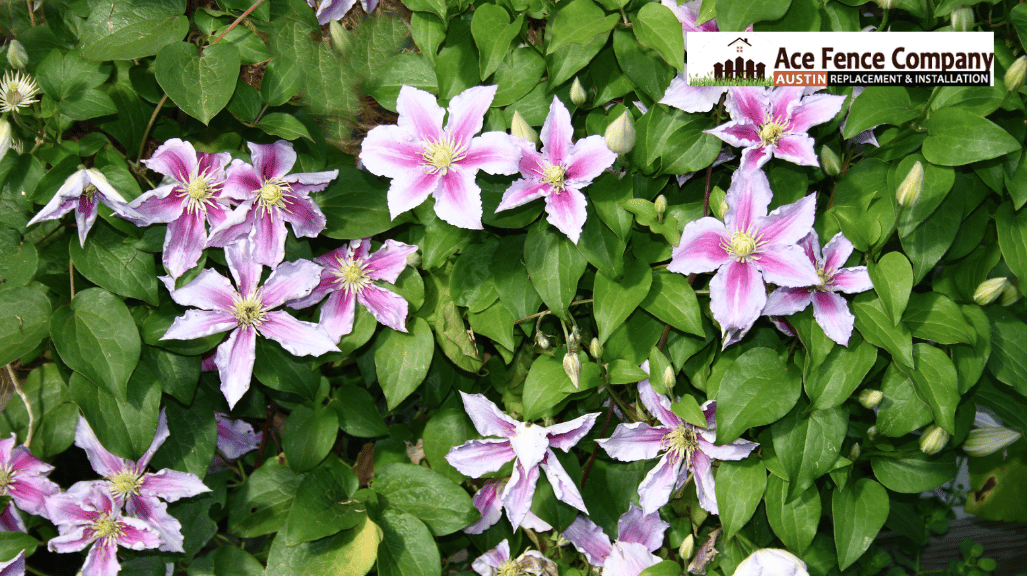
Clematis is a top choice for gardeners seeking colorful blooms. This versatile climber produces flowers in various colors, from deep purples to vibrant pinks, making it ideal for adding a dynamic splash of color to fences.
Ivy for year-round greenery
Ivy stands out for its dense, evergreen foliage, offering a lush, green backdrop all year round. It’s perfect for those desiring continuous privacy and a consistent green aesthetic along their fence lines, regardless of the season.
Jasmine for fragrant flowers
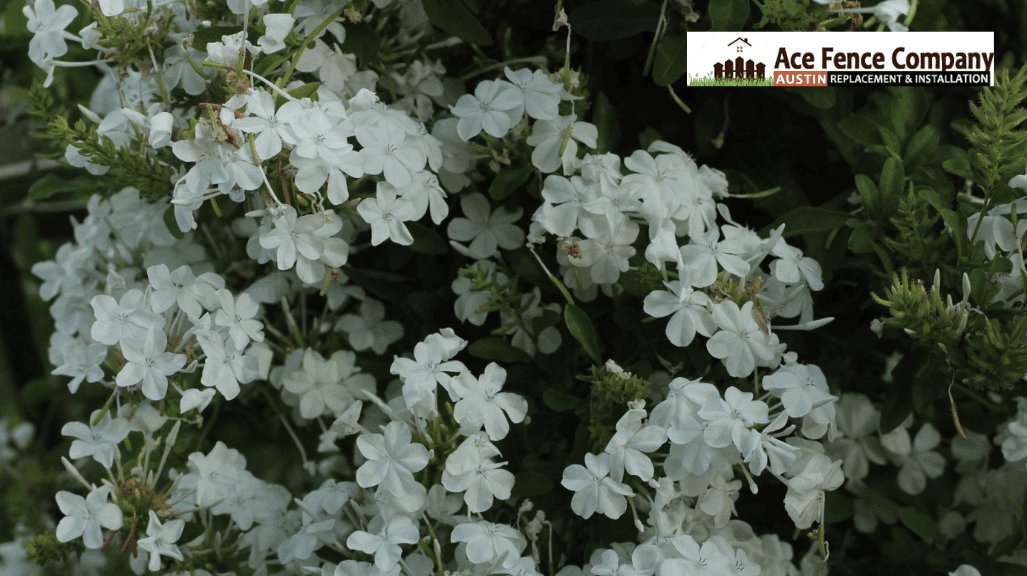
Jasmine is celebrated for its sweetly fragrant flowers, beautifying the fence and enveloping the garden in a delightful aroma. Ideal for creating a sensory garden experience, Jasmine’s scent enhances the outdoor ambiance, making it a favored choice among gardeners.
How do you support climbing plants on fences?
Supporting climbing plants on fences is crucial for their health and aesthetic appeal. Utilizing trellises or wires provides the necessary structure for climbers like Clematis, Ivy, and Jasmine to thrive, allowing them to grow upwards and cover the fence effectively. Additionally, regular pruning is essential to maintain the desired shape and size and encourage healthy growth and flowering.
This combination of physical support and ongoing care ensures that climbing plants can beautify fences year after year, creating a living landscape that enhances the garden’s overall charm.
Using trellises or wires
Implementing trellises or wires provides a sturdy support system for climbing plants such as Clematis, Ivy, and Jasmine. This approach facilitates their upward growth and ensures a whole and even fence coverage, transforming it into a vibrant green facade.
Regular pruning for health and shape
Regular pruning is indispensable for the optimal health and desired shape of climbing plants. It stimulates denser foliage and more abundant blooms, allowing precise control over the plant’s form. Timely pruning keeps the growth in check, ensuring the climbers enhance the fence’s beauty without dominating the space.
Why consider shrubs for planting along fences?
Shrubs offer a robust solution for enhancing fences with year-round interest and structure. They serve as a solid backdrop for other plants, providing a mix of foliage, color, and texture that changes with the seasons. With choices like Forsythia for spring blooms, Hydrangea for summer color, and Boxwood for evergreen structure, shrubs can create a layered and dynamic garden border.
Their ability to add depth, privacy, and aesthetic appeal makes them invaluable to any garden that complements its fence line with natural beauty and diversity.
They add year-round interest.
Shrubs such as Forsythia, Hydrangea, and Boxwood bring year-round interest to the garden, showcasing various textures, colors, and forms across the seasons. This ensures that the area along the fence remains lively and attractive throughout the year.
They can serve as a backdrop for other plants.
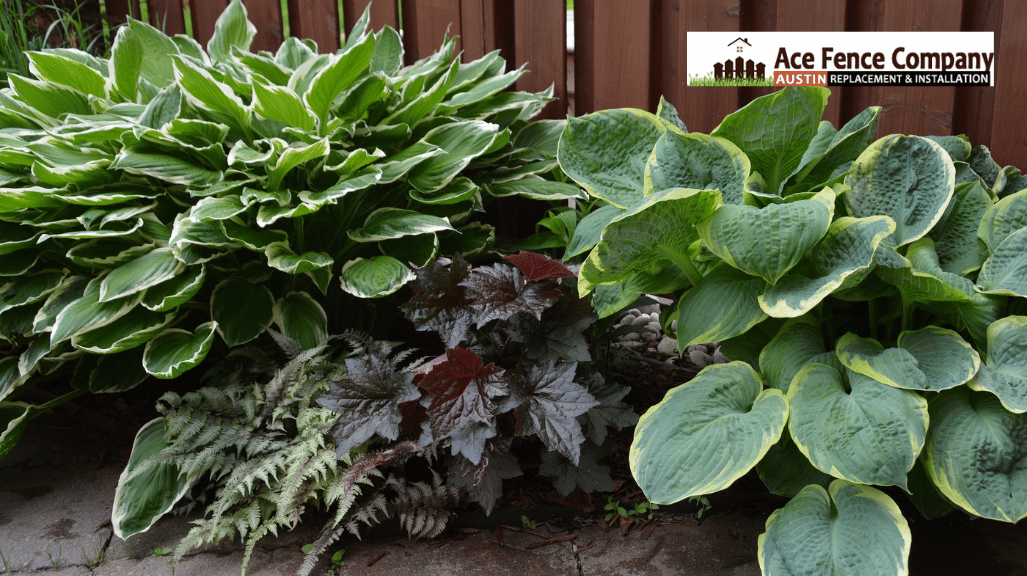
Acting as a natural canvas, shrubs provide a structured backdrop that enhances the overall presentation of other garden plants. Their varied foliage and heights offer an ideal setting to highlight the unique features of perennials and climbers, allowing each plant to make a distinctive impact along the fence line.
What are the best shrubs for fences?
For those looking to add structure, color, and year-round beauty to their fence lines, Forsythia, Hydrangea, and Boxwood stand out as the best shrubs. Forsythia greets the spring with vibrant yellow blooms, signaling the end of winter with a burst of color. Hydrangea captivates in summer with its large, eye-catching flowers in various hues.
For a constant green presence, Boxwood offers evergreen foliage that provides structure and elegance throughout all seasons. Together, these shrubs form a versatile and visually appealing selection for any gardener aiming to enhance their fence with natural beauty and diversity.
Forsythia for early spring blooms
Forsythia shines with its brilliant yellow blooms in early spring, offering a vibrant burst of color when the garden needs it most. This shrub is a herald of warmer days, making it an ideal choice for adding life and vibrancy to fences at the start of the growing season.
Hydrangea for large summer flowers
Hydrangea captivates with its large, opulent flowers blooming throughout the summer. With hues ranging from deep blues to vivid pinks, Hydrangea ensures a dramatic and eye-catching display along fence lines, providing a focal point during summer.
Boxwood for evergreen structure
Boxwood is prized for its dense, evergreen foliage, offering year-round structure and elegance to fence lines. Its versatility in shaping and maintenance at various heights allows for a consistent green backdrop or a formal hedge, enhancing the garden’s overall aesthetic.
How do you plant shrubs along fences?
Planting shrubs along fences requires careful consideration of their mature size and moisture needs to ensure they thrive and effectively enhance the fence line. It’s important to space shrubs according to their expected growth, allowing enough room to reach their full size without overcrowding. Additionally, mulching around each shrub’s base helps retain moisture, suppress weeds, and provide a neat appearance.
These steps allow gardeners to create a beautiful and sustainable border that brings structure, color, and privacy to their outdoor spaces.
Spacing for mature size
Attention to each plant’s mature size is crucial when planting shrubs along fences. Appropriate spacing allows ample room for growth, ensuring they can reach their full potential without overcrowding. This careful planning promotes healthy development and allows each shrub to enhance the fence line with its unique characteristics.
Mulching for moisture retention
Mulching is critical to sustaining the health of shrubs by the fence. A generous layer of mulch around the base of each plant helps retain soil moisture, which is crucial for the shrubs’ growth and vitality. Beyond moisture retention, mulch aids weed suppression and contributes to a neat, well-maintained garden appearance.
Why are perennials a good choice for fence lines?
Perennials are a fantastic choice for fence lines due to their varied blooming times and ability to complement shrubs and climbers. These plants bring a succession of colors and textures throughout the growing seasons, ensuring the fence line remains vibrant and attractive year after year. With perennials like Lavender, Catmint, and Peonies, gardeners can create a dynamic and evolving display that enhances the beauty and privacy of their outdoor spaces.
Their perennial nature means less replanting and more time enjoying a flourishing garden.
They offer varied blooming times.
Perennials are celebrated for their varied blooming times, ensuring a garden’s fence line is always alive with color and interest. This trait guarantees a continuous showcase of blooms from early spring to late fall, keeping the garden vibrant and visually engaging throughout the growing season.
They can complement shrubs and climbers.
Perennials excel at complementing shrubs and climbers, seamlessly filling in the garden’s layers with depth and texture. Their varied forms and hues enhance the structural beauty of shrubs and the vertical allure of climbers, creating a harmonious and dynamic display along fence lines.
What are the top perennials for planting along fences?
Lavender, Catmint, and Peonies are among the top perennials for gardeners seeking to enhance their fence lines with enduring beauty. Lavender is renowned for its drought tolerance and enchanting fragrance, making it a practical and sensory addition. Catmint offers a long blooming period, producing waves of soft blue flowers that attract pollinators and add a gentle splash of color.
With their large, showy flowers, peonies provide a stunning visual impact and a sense of elegance. Together, these perennials create a diverse and appealing display that brings life and color to fence lines throughout the seasons.
Lavender for drought tolerance and scent
Lavender excels in both drought tolerance and its enchanting scent. Ideal for gardeners seeking low-maintenance yet highly aromatic plants, Lavender’s purple blooms not only beautify the fence line but also attract pollinators, enhancing garden biodiversity.
Catmint for long blooming period
Catmint is prized for its extended blooming period, consistently producing soft blue flowers from early summer into fall. This perennial is a boon for adding long-lasting color to the garden, and its ability to attract bees and butterflies makes it a valuable contributor to the local ecosystem.
Peonies for large, showy flowers
Peonies offer spectacular, large blooms that dramatically flair any fence line. With a palette ranging from soft pinks to deep reds, these perennials add a layer of elegance and visual impact to the garden. Their lush flowers show beauty that lasts throughout their blooming season.
How to care for perennials along fences?
Caring for perennials along fences involves dividing them every few years to maintain their health and vigor and deadheading to encourage more blooms. Dividing helps to prevent overcrowding and rejuvenates the plants, ensuring they continue to thrive and produce abundant flowers. Deadheading, or removing spent blooms, keeps the plants tidy and stimulates further flowering, extending the blooming period.
Together, these practices are vital to sustaining a vibrant and flourishing perennial border along the fence, enhancing the landscape’s aesthetic appeal season after season.
Dividing every few years for health
Dividing perennials every few years is crucial for maintaining their health and ensuring vigorous growth. This essential step prevents overcrowding, allowing each plant ample space to thrive. Gardeners who regularly divide their perennials can expect a more vibrant and flourishing display along their fence lines.
Deadheading to encourage more blooms
Deadheading, the act of removing spent flowers, is crucial in encouraging perennials to produce additional blooms. This practice tidies up the garden’s appearance and stimulates the plants to focus on creating new flowers. The result is an extended blooming period and a more decadent, colorful display along fences.
Frequently Asked Questions
What are the best flowering plants to grow along a fence?
Roses, Jasmine, and clematis excel as flowering plants along fences, offering vibrant colors and fragrant blooms. These species require support structures but are rewarded with beautiful displays.
Which climbing plants are suitable for fence lines?
Ivy, honeysuckle, and climbing Hydrangea are excellent climbers for fences, providing dense foliage and sometimes flowers. These plants attach easily to surfaces, creating lush green barriers.
Are there any low-maintenance shrubs for planting along fences?
Boxwood, privet, and holly are low-maintenance shrubs ideal for fence lines. These hardy plants offer privacy and are easily shaped through pruning.
How do perennial plants benefit fence lines?
Perennial plants, such as Lavender and catmint, offer long-term solutions for fence lines with recurring blooms. These plants attract pollinators while providing a fragrant and colorful border.
Can edible plants be grown along fences?
Grape vines, berry bushes, and climbing vegetables like tomatoes and peas thrive along fences, turning them into productive spaces. These edible plants benefit from the support and can enhance food gardens.