


Vinyl costs more to put up and nothing to keep. Wood costs less to install and needs work every few years. Which one wins isn’t really about the materials; it’s about how long you’re staying.
If you’re in the house for the long run, vinyl usually comes out ahead. If you’re selling within a few years, wood almost always does. The rest of this page is why, and what each one does badly. Call (512) 746-0980 or price them side by side if you’d rather compare on your own property.
Up-front cost
Wood is cheaper to install, and over the long run the gap is substantial, not marginal. That’s why most fences around here are wood, and it’s a perfectly good reason.
The gap isn’t fixed, though. Vinyl comes in grades, and the cheapest isn’t a bargain so much as a different product with a shorter lifespan. Comparing a low-grade vinyl quote against a good wood one tells you very little about the two materials.
Posts cost the same either way, which people forget. The hole still has to be dug, the concrete still has to go in, and the real cost drivers are as much about the ground as about what’s above it. Switching material doesn’t change the digging.
What happens over fifteen years
 This is where the comparison turns: wood needs finishing, and vinyl doesn’t. Every few years, a wood fence wants cleaning and refinishing, and that’s either money or a weekend, repeatedly.
Vinyl needs washing. That’s the entire maintenance program, and it’s most of why people buy it. There’s no stain cycle, no decision each spring about whether this is the year, and no gray phase while you put it off.
Add enough of those cycles together, and the up-front gap closes, then reverses. Where exactly that happens depends on what you’d pay to have wood finished and how diligent you’d be, which is why we won’t put a year on it. What finishing a fence involves gives you the realistic version of the wood side.
One caveat that matters. Wood doesn’t fail because it wasn’t stained; it fails at the posts and the ground line from water. Finishing slows the boards’ weathering and does nothing for that, so vinyl’s advantage here is real but narrower than it first looks.
Repairs work differently
Wood repairs in place. A cracked picket comes off, and a new one goes on; a rail gets replaced, a post gets reset, and the fence keeps going. New wood beside weathered wood stands out for a season, then evens out.
Vinyl replaces rather than repairs. A cracked panel can’t be mended, so it gets swapped, and the replacement won’t match panels that have been up for years. It’s a quick job, since the panels slot out, but the color difference is permanent in a way wood’s isn’t.
That difference compounds after damage. A car or a fallen branch through a wooden fence is a repair we can blend in. The same event on a vinyl fence leaves you with three new panels among fifteen older ones.
How each ages in this climate
Wood goes gray, checks, and splits under UV, and around here that happens quickly on an unfinished fence. It also rots, which is the failure that ends fences rather than just making them look tired.
Vinyl doesn’t rot at all, which removes the main failure mode outright. Instead, it degrades under UV unless the material is made not to, and the difference between a good product and a poor one shows up as yellowing, chalkiness, and brittleness after a few summers. Brittle vinyl cracks instead of flexing when something hits it.
So the quality question is sharper on vinyl than on wood. A budget wood fence is a wood fence with thinner pickets. A budget vinyl fence can be a materially different product with a much shorter life. What to ask about vinyl specifically is worth reading before you compare quotes.
Both take wind the same way, incidentally. A solid privacy fence catches the wind like a sail, whatever it’s made of, and on an exposed lot, that load goes into the posts either way.
Appearance and resale
This one’s genuinely subjective, and we’re not going to pretend otherwise. Wood looks like wood, and a well-built board fence in a neighborhood of board fences looks right in a way that’s hard to argue with.
Vinyl looks like vinyl. Modern products are far better than they used to be; on the street, most people don’t look twice, but up close they read as manufactured rather than built. Color choice is narrow, usually white, tan, or gray, and it’s permanent, because vinyl can’t be refinished. What you choose is what you have.
On resale, a fence in good condition helps, and a failing one hurts, and that’s about as far as the evidence goes. From experience, we’d say buyers notice a tired fence more than its material. A board fence that’s been kept up shows well; one that hasn’t reads as deferred maintenance.
Check your association’s rules before you get attached to either. Some neighborhoods require wood; some allow vinyl only in backyards; and some prohibit it outright. Vinyl varies more than any other material, and getting a design approved is easier before you choose than after.
Who should choose which
 Choose vinyl if you’re staying put, you’d rather not think about the fence again, and the up-front difference isn’t the deciding factor. The maintenance savings are real, and they compound, and never staining anything again is worth more to some people than any number.
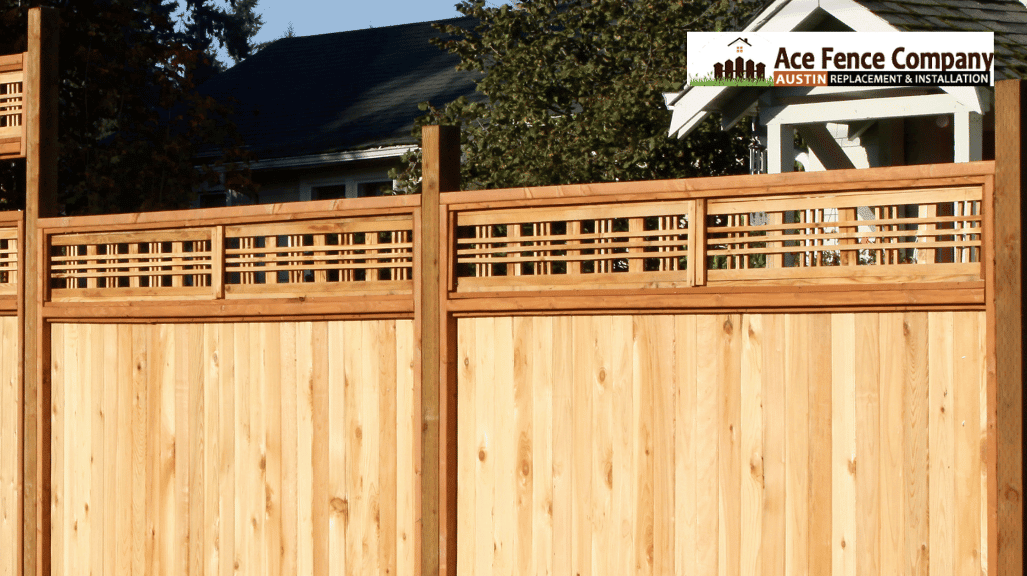
Choose wood if you’re likely to move within a few years, if the upfront cost matters, if your neighborhood is all-wood, or if you actively like how it looks. It’s also the better answer if you want the option to change the color later, which vinyl doesn’t give you.
And plenty of properties end up with both. Vinyl where it’s seen, and wood on the back runs, or the reverse, depending on which problem you’re solving where. Nothing says a property has to commit to one material, and planning the whole line at once usually costs less than doing it in stages.
Want both priced on your own run? Call (512) 746-0980 or message us the footage. Seeing the two numbers against your actual footage settles this faster than any article does, and the estimate costs nothing either way.