

When planning a fence installation, it’s important to do more than just choose a material that complements your property; you also need a clear understanding of the costs involved. So, how to estimate fence costs accurately? Several factors influence the overall fence installation cost, including the type of material you select, such as wood, vinyl, or chain link, as well as the size of the fenced area and the complexity of the project. Additional features like gates or decorative accents can further impact the total cost. Partnering with a professional like Ace Fence Company ensures you get a detailed breakdown of all these elements, helping you understand the costs associated with labor, material, and installation. This guide will walk you through the steps to estimate your fence cost-effectively, providing tips for balancing aesthetics, durability, and budget. Whether you’re installing a privacy fence or looking for a secure gate solution, understanding these factors will help you make informed decisions that fit your needs and financial plan.
Unlock the secrets of fence cost estimation! https://t.co/jEklV4yM1P Explore the different types of fences and plan your project with confidence. #fencecost #estimationtips #fence #fenceestimate pic.twitter.com/3vQEQteoHr
— Ace Fence Company Austin (@AceFenceAustin) April 30, 2024
What is fence cost estimation?
Fence cost estimation is a comprehensive process that calculates the total expense of installing a fence around a property. This calculation considers various factors, such as the type of material chosen (e.g., wood, vinyl, aluminum), the height and length of the fence, labor costs for installation, and any additional features or requirements specific to the property’s geographic location. Understanding the cost estimation process is crucial for homeowners and property managers to budget effectively for their fencing projects, ensuring they can make informed decisions about the materials and designs that best meet their needs and financial limits.
Why estimate fence cost?
Estimating fence cost is pivotal for any fencing project’s strategic fence planning and budget management. It enables homeowners and property managers to gauge the financial scope of their projects, ensuring that choices around materials, design, and labor align with their financial capabilities. By having a precise estimate, individuals can avoid unexpected expenditures, compare prices between different contractors or materials, and make informed decisions that optimize the fence’s aesthetic and functional aspects within a defined budget. This foresight not only helps in achieving cost-effectiveness but also in enhancing the overall value and appeal of the property.
Factors Influencing Fence Cost
Various factors influence the cost of fencing, each contributing to the final price in unique ways. Material type is a significant determinant, with options like wood, vinyl, and wrought iron varying in price due to their durability and aesthetic appeal. The fence height and property size also play crucial roles, as larger and taller fences require more materials and labor, increasing costs. Labor costs can vary dramatically based on the installation’s complexity and the contractors’ rates. Additionally, the property’s geographic location can affect the price, with factors such as local labor rates, climate, and availability of materials coming into play. Understanding these factors is essential for accurately estimating the cost of a fence and ensuring that the project aligns with budgetary constraints and project goals.
Material type
The choice of material significantly influences the overall cost of a fence. Wood offers a classic appearance and tends to be more budget-friendly, while vinyl and wrought iron are pricier but offer enhanced durability and a distinctive look. Each material has its own maintenance needs and lifespan, which can affect long-term expenses.
Fence height
The height of the fence directly impacts cost, with taller fences requiring more materials and labor. Whether the goal is privacy, security, or aesthetics, the desired height of the fence will significantly affect the budget. Custom heights can lead to additional costs due to extra customization and labor.
Property size
The extent of the property dictates the amount of fencing material and labor required, thus influencing the overall cost. Precise property measurements are essential for accurate cost estimation, as minor inaccuracies can result in notable price differences.
Labor costs
The complexity of installation and the contractor’s skill level can cause labor costs to vary. Fences requiring detailed designs or installation on challenging terrain can increase labor expenses. Moreover, labor rates can differ widely by location, impacting the total project cost.
Next: 7 Tips on How to Trim Grass Along Fence
Geographic location
The property’s geographic location can also affect fencing costs. Local climate, soil conditions, and material availability are all factors that can influence expenses. Areas with severe weather conditions may necessitate more durable materials, thereby increasing costs.
Types of fences
When embarking on a fencing project, the array of materials available presents a wide range of aesthetic and functional choices, each catering to diverse needs and preferences. Wood fences, including pine, cedar, and redwood, offer a natural look and can be tailored to any design preference. Chain link fences, available in galvanized or vinyl-coated finishes, provide durability and security with minimal upkeep. Vinyl fences come in various styles, from plain white to textured or colored, merging longevity with versatile design options. Aluminum fences are celebrated for their powder-coated finishes and ornamental designs, balancing beauty and strength. Lastly, wrought iron fences are distinguished by their traditional or modern designs, offering unmatched elegance and robustness. Each type of fence brings advantages, from privacy and security to aesthetic appeal, enabling property owners to find the ideal match for their landscape and lifestyle.
Wood
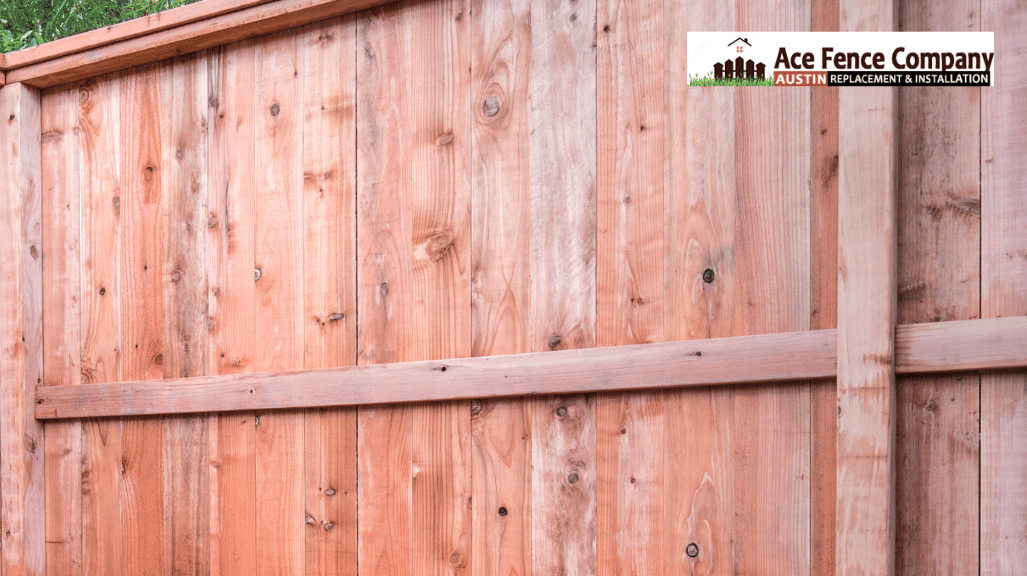
Wood fences are a popular choice for their natural beauty and versatility. They can be easily customized to fit a variety of styles and landscapes.
Pine
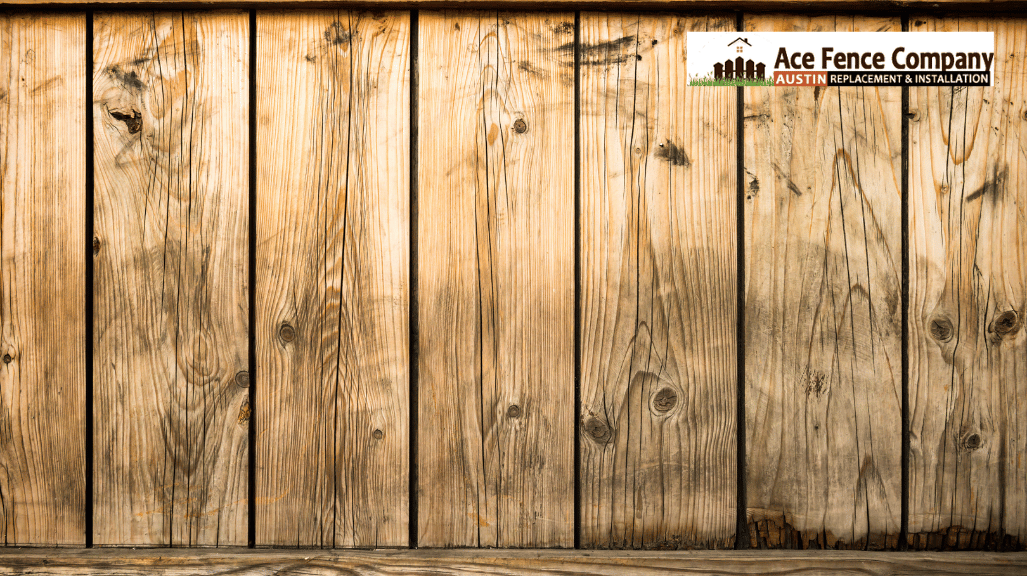
Pine offers an affordable wood fencing option, treated for resistance against decay and insects, ensuring durability.
Cedar
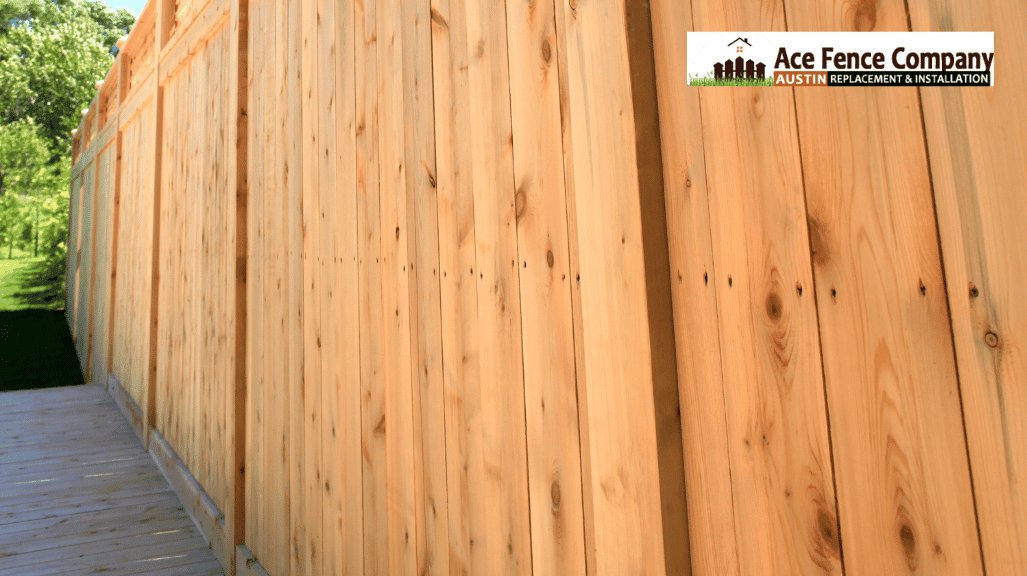
Known for its natural resistance to rot and pests, cedar requires less maintenance while providing a beautiful, lasting fence solution.
Redwood
Redwood is prized for its rich color and resistance to shrinking, warping, and decay, making it a premium choice for wood fencing.
Chain link
Chain link fences are valued for their durability and security. They are a practical solution for both residential and commercial boundaries.
Galvanized
Galvanized chain link fences are coated with zinc to prevent rust, ensuring a longer lifespan with minimal maintenance.
Vinyl-coated
Vinyl-coated chain link fences feature a protective layer of vinyl that adds color and enhances durability, making them more attractive and weather-resistant.
Vinyl
Vinyl fences are celebrated for their longevity and low maintenance, and they are available in styles ranging from plain white to textured or colored options.
Plain white
Plain white vinyl fencing offers a clean, crisp appearance, enhancing the curb appeal of any property with its classic look.
Textured or colored
Textured or colored vinyl fences allow for customization, adding a unique touch to your home’s exterior or landscape design.
Aluminum
Aluminum fences are lightweight yet substantial, with powder-coated finishes and ornamental designs that mimic more expensive materials like wrought iron.
Powder-coated
Powder-coated aluminum fences receive a durable coating that adds color and protects against corrosion, maintaining their appearance over time.
Ornamental designs
Ornamental designs in aluminum and wrought iron fences add elegance and character to a property, blending security with aesthetic appeal.
Wrought iron
Wrought iron fences are known for their strength and distinctive designs, crafted into traditional and modern styles for a timeless look.
Traditional
Traditional fence designs bring history and charm, often featuring intricate details and craftsmanship.
Modern designs
Modern fence designs focus on clean lines and minimalism, offering a contemporary look that complements modern architectural styles.
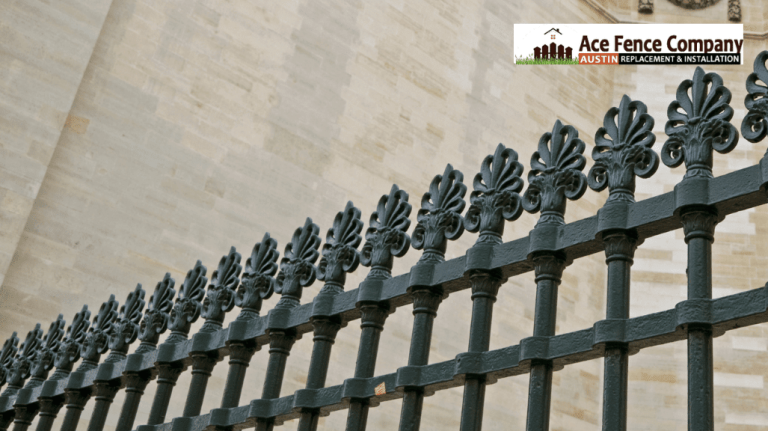
Calculating the cost of wood fences
To accurately estimate the cost of a wood fence, it’s essential to consider both material costs per foot and installation labor costs. Material costs can vary significantly based on the type of wood selected, with options like pine, cedar, and redwood each offering different price points due to their durability and aesthetic qualities. Installation costs depend on the design’s complexity, the area being fenced, and local labor rates. By combining these factors, homeowners can gain a comprehensive understanding of the financial investment required for a wood fence, enabling them to budget accordingly and make informed decisions that align with their preferences and financial constraints.
Material costs per foot
The material cost for a wood fence is calculated on a per-foot basis and varies significantly based on the wood type chosen. Pine, being more cost-effective, offers a budget-friendly option, while cedar and redwood, known for their durability and aesthetic appeal, represent higher-priced alternatives. These costs are influenced by market prices, the fence’s height and design complexity, and any treatments the wood may require for enhanced longevity.
Installation labor costs
Installation labor costs for a wood fence depend on various factors, including the design’s complexity, the installation site’s terrain, and local labor rates. Simple, straight runs on level ground will generally be less expensive than intricate designs or installations on sloped or rugged terrain. Additionally, the experience and reputation of the fencing contractor can also impact labor costs, with more experienced professionals possibly charging more for their expertise.
Calculating the cost of chain link fences
Estimating the cost of a chain link fence involves carefully evaluating material costs per foot and installation labor costs. Material costs are influenced by the choice between galvanized and vinyl-coated chain links, with vinyl-coated options typically commanding a higher price due to their enhanced durability and aesthetic appeal. The total length of the fence and its height are significant factors in determining the quantity of material needed. Installation costs vary based on the project’s complexity, including the installation site’s terrain and additional features, such as gates or privacy slats. Understanding these cost components allows homeowners to accurately budget for a chain link fence that meets their security and aesthetic requirements while staying within their financial means.
Material costs per foot
The material cost for chain link fences is calculated per-foot, distinguishing between galvanized and vinyl-coated options. Galvanized chain link, typically more cost-effective, offers robust durability with less emphasis on aesthetics. In contrast, vinyl-coated chain links come in various colors and are priced higher due to their enhanced appearance and durability. The fence height and the total linear footage needed for the project also influence the overall material cost.
Installation labor costs
Installation labor costs for chain link fences can vary significantly based on the project’s complexity, the installation site’s terrain, and local labor rates. Straightforward installations on level ground tend to be more budget-friendly. At the same time, those involving uneven terrain or additional features like gates or privacy slats require more labor, thus increasing the cost. Additionally, the experience level of the installation team can affect pricing, with highly experienced professionals possibly demanding higher rates for their specialized skills.
Calculating the cost of vinyl fences
When calculating the cost for vinyl fences, it’s crucial to consider both material costs per foot and installation labor costs. Vinyl fencing, known for its durability and low maintenance, comes in various styles, including plain white, textured, or colored options, each affecting the price differently. The material cost is influenced by the quality of the vinyl, the fence’s height, and the design’s complexity. Installation costs are determined by the project’s scope, the terrain of the installation site, and the specific requirements of the fencing design, such as the inclusion of gates or decorative elements. Given these factors, homeowners can gain a clear understanding of the financial commitment involved in installing a vinyl fence, enabling them to make informed decisions that align with their aesthetic preferences and budgetary needs.
Material costs per foot
The material cost for vinyl fences is calculated per foot, with the style—plain white, textured, or colored—significantly influencing the price. Opting for high-quality vinyl increases durability and aesthetic appeal and lasts well. The fence’s height and design complexity further dictate the overall material expense, making these critical factors in budget planning.
Installation labor costs
Installation labor costs for vinyl fences are affected by the installation’s complexity, the property’s terrain, and local labor rates. Straightforward installations on level ground are more budget-friendly, while complex designs or challenging terrains necessitate more labor, elevating costs. Additionally, the expertise of the installation team plays a role in determining the price, with seasoned professionals possibly demanding higher rates for their specialized skills.
Calculating the cost of aluminum fences
To accurately estimate the cost of aluminum fences, it’s essential to analyze both material costs per foot and installation labor costs. Aluminum fencing is favored for its durability, low maintenance, and the aesthetic flexibility it offers through powder-coated finishes and ornamental designs. The material cost varies depending on the style, height, and specific features like decorative elements or security enhancements. Installation costs are influenced by the project’s complexity, including the terrain where the fence will be installed and the design’s intricacy. By considering these factors, homeowners can effectively budget for an aluminum fence that meets their security needs and design preferences, ensuring an investment that enhances the property’s value and appeal.
Material costs per foot
The material cost for aluminum fences is calculated per foot and is influenced by factors such as style, height, and the inclusion of decorative elements or security enhancements. The allure of aluminum fencing lies in its durability and the customization options available through powder-coating, which can affect the price. The selection of ornamental designs also significantly impacts the material cost.
Installation labor costs
Installation labor costs for aluminum fences are affected by the installation’s complexity, the installation site’s terrain, and local labor rates. Projects requiring intricate work or those on uneven landscapes tend to have higher labor costs. The expertise of the installers and the necessity for specialized equipment or techniques, especially for ornamental designs or challenging terrains, also play a crucial role in determining the overall cost.
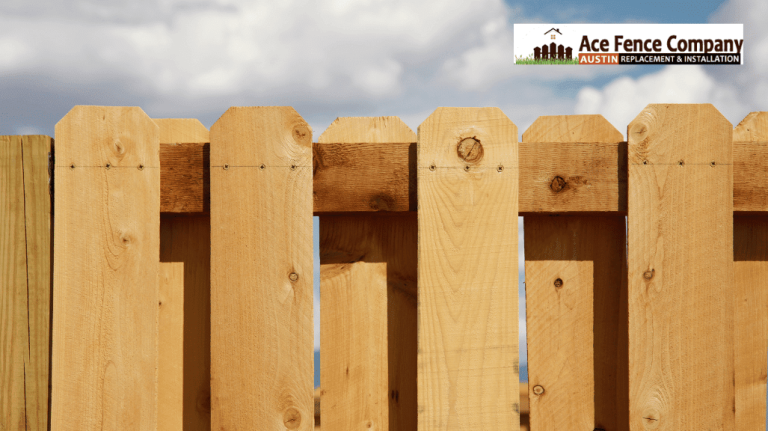
Calculating the cost of wrought iron fences
Estimating the cost of wrought iron fences requires understanding both material costs per foot and installation labor costs. Wrought iron is renowned for its strength, durability, and the elegance it brings with traditional or modern designs. The design’s craftsmanship influences the material cost**, the fence’s height**, and any custom features or decorative elements. Installation costs hinge on the design’s complexity, the installation site’s terrain, and the installers’ skill level. Given these factors, homeowners can prepare a budget that reflects the value and timeless appeal wrought iron fences add to a property, ensuring their investment enhances security and contributes significantly to the property’s aesthetic appeal.
Material costs per foot
The material cost for wrought iron fences is calculated per foot, with the price being significantly influenced by the design’s complexity, height, and any custom features or decorative elements. The exquisite craftsmanship wrought iron demands and its durability and aesthetic appeal typically position it at a higher price than other fencing materials.
Installation labor costs
Installation labor costs for wrought iron fences can vary widely, depending on the installation’s complexity, the property’s terrain, and the installation team’s expertise. Complex designs and difficult installation sites require skilled labor and, in some cases, specialized equipment, leading to higher labor costs. Additionally, these costs are influenced by local labor rates, which can vary significantly across different regions.
Additional costs considerations
When planning a fence installation, it’s crucial to account for additional costs impacting the overall budget beyond the basic materials and labor. These may include permits and fees required by local regulations, which vary depending on the location and scope of the project. Gates and access points also add to the cost, ranging from simple single gates to more elaborate double gates for more significant entries. Unique features like decorative elements, privacy slats, or custom designs further increase expenses, enhancing the fence’s functionality and aesthetic appeal but at an additional cost. Awareness of these potential extra expenditures allows homeowners to create a more accurate budget, ensuring that their fencing project meets their expectations and financial constraints.
Permits and fees
Permits and fees are crucial considerations in fence installation projects. Local regulations often require obtaining necessary permits, which can add to the overall cost. These fees vary by location and the project’s requirements, underscoring the importance of including them in budget planning.
Gates and access
Gates and access points significantly influence functionality and cost. They range from basic single gates for pedestrian entry to more enormous double gates for vehicle access, each adding a different level of expense based on size and design complexity.
Single gates
Single gates are designed for pedestrian access and are common in fencing projects. While more straightforward and less costly than double gates, their price can vary based on materials and decorative features.
Double gates
Double gates accommodate vehicle access and are a more expensive option due to the need for additional materials and more complex installation, often requiring reinforced posts and intricate designs.
Special features
Special features, including decorative elements, privacy slats, and custom designs, enhance a fence’s appearance and functionality but incur extra costs. These features range from simple aesthetic upgrades to complex customizations tailored to specific needs.
Decorative elements
Decorative elements such as caps, finials, or ornamental patterns add visual appeal but increase costs due to the additional craftsmanship required.
Privacy slats
Privacy slats are inserted into fences like chain links to enhance privacy. Available in various materials and colors, they impact cost based on the selected options.
Custom designs
Custom designs provide the highest level of personalization, accommodating unique landscapes or stylistic preferences. This customization results in higher costs due to specialized materials and labor.
Saving money on fence installation
Efficiently managing fence installation costs without compromising on quality involves several strategic approaches. Opting for DIY installation tips can significantly reduce labor expenses for those with the necessary skills and confidence. Another crucial strategy is choosing cost-effective materials that offer durability and aesthetic appeal at a lower price point. Additionally, negotiating with contractors can lead to more favorable terms, potentially lowering the overall cost. By considering these tactics, homeowners can achieve a balance between achieving their desired fence functionality and aesthetics while adhering to their budget constraints.
DIY installation tips
DIY installation offers a significant opportunity to save on labor costs. Leveraging online tutorials, borrowing or renting necessary tools, and seeking advice from experienced acquaintances can make DIY a rewarding and cost-effective approach. Careful planning, understanding the project scope, and preparing for potential challenges are essential for a successful DIY installation.
Choosing cost-effective materials
Selecting cost-effective materials is crucial for budget management without compromising quality. Materials like vinyl, which are durable and require low maintenance, provide a cost-effective alternative to more expensive options like wrought iron or high-grade wood. Conducting thorough research, comparing prices, and considering long-term maintenance costs can yield significant savings.
Negotiating with contractors
Negotiating with contractors can reduce project costs. It’s beneficial to obtain multiple quotes, understand the detailed breakdown of expenses, and discuss potential discounts for off-season work or supplying some materials yourself. Establishing a good rapport with the contractor and showing flexibility in budget discussions can open the door to more favorable pricing options.
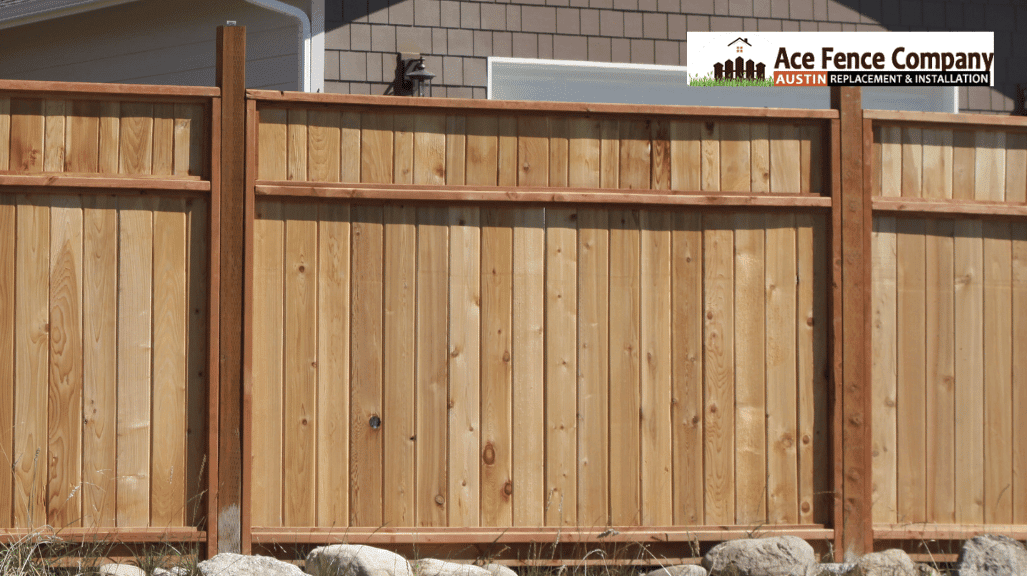
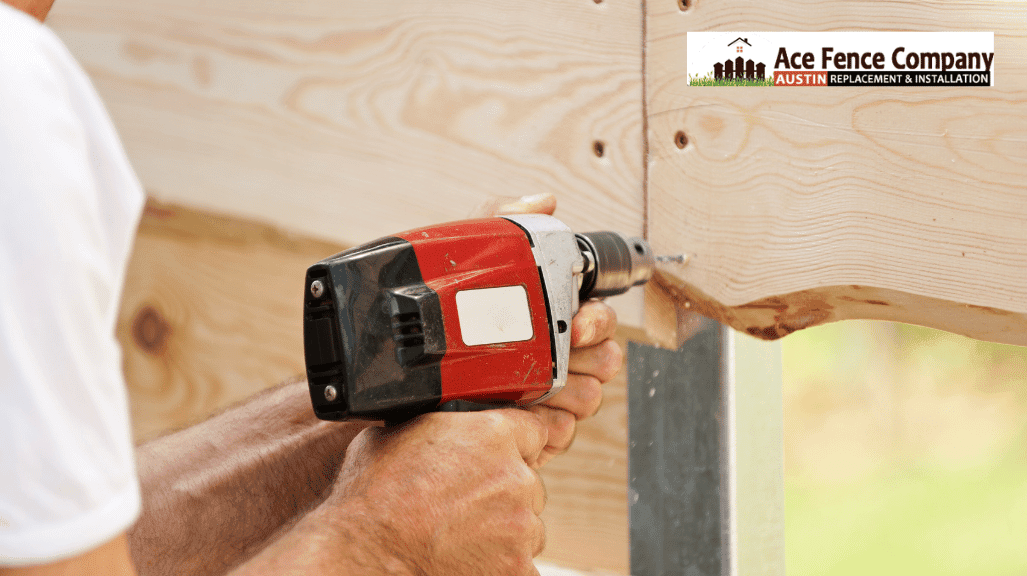
Finding reliable fence installation services
Securing a trustworthy contractor for fence installation is pivotal for ensuring the fence’s durability, functionality, and aesthetic appeal. Key strategies include exploring online reviews and ratings to gauge previous customers’ satisfaction and identify reputable services. Seeking recommendations from friends and family who have had successful fence installations can provide valuable insights and trustworthy referrals. Additionally, verifying contractor licenses and insurance is crucial for ensuring that the service provider is qualified and provides protection against potential liabilities. By employing these methods, homeowners can confidently select a fence installation service that meets their quality standards and project requirements.
Online reviews and ratings
Online reviews and ratings are a critical resource for evaluating the reliability and quality of fence installation services. These reviews offer firsthand customer experiences, shedding light on the contractor’s professionalism, craftsmanship, and approach to customer service. By thoroughly examining these reviews, potential clients can identify top-rated contractors and avoid those with consistently negative feedback.
Recommendations from friends and family
Recommendations from friends and family provide invaluable insights when searching for a trustworthy fence installation service. Personal referrals often include detailed narratives about the project’s process, cost, and the final satisfaction with the work done. This type of word-of-mouth information can lead to discovering reputable contractors renowned for delivering high-quality installations.
Verifying contractor licenses and insurance
Verifying contractor licenses and insurance is crucial to ensure engagement with a qualified professional who is adequately protected against potential liabilities. A licensed contractor has demonstrated adherence to industry standards and qualifications, while insurance coverage protects homeowners in case of accidents or damage during the fence installation. Confirming these credentials before committing to a contractor offers added peace of mind and secures the investment in the fencing project.
FAQ
What factors influence the cost of installing a fence?
Factors affecting fence installation costs include material type, length height, labor costs, geographic location, and additional features such as gates or decorative elements.
How does the choice of material impact the overall cost of a fence?
Material choice significantly impacts the overall cost, with options like wood being more affordable. Materials like vinyl and aluminum offer durability but at a higher price point. Customizations also affect the final cost.
What is the average cost difference between a wood and a vinyl fence?
The cost difference between wood and vinyl fencing can vary widely. On average, vinyl fences are more expensive due to their longevity and lower maintenance requirements than wood fences.
How can homeowners save money on their fence installation?
Homeowners can save on fence installation by choosing more affordable materials, doing part of the work, comparing quotes from multiple contractors, and planning the installation during off-peak seasons.
What should be considered when estimating the cost of a chain-link fence?
When estimating the cost of a chain-link fence, consider the height, the quality of the materials, the total length needed, and any additional features like privacy slats or gates.